-
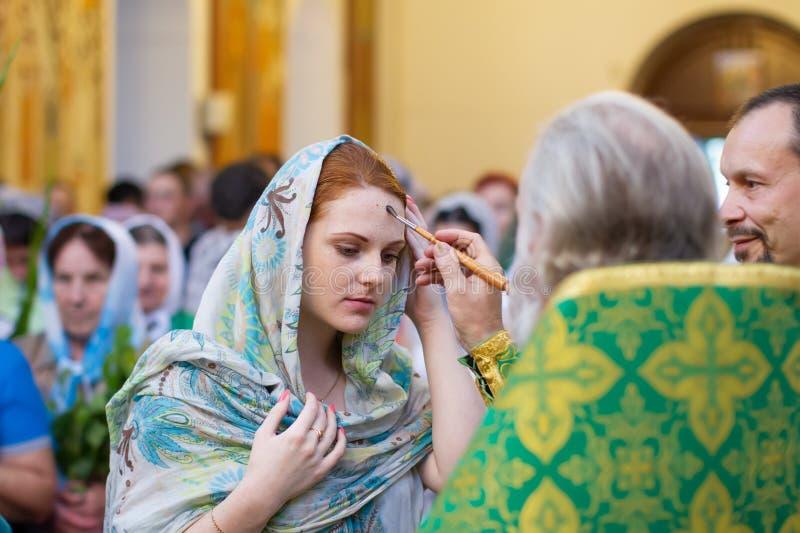
Pastoral Clarifications on the Holy Sacrament of Anointing
Read more: Pastoral Clarifications on the Holy Sacrament of AnointingBy His Eminence Metropolitan Saba (Isper) The Sacrament of Holy Unction, or the Sacrament of the Anointing of the Sick, is a liturgical sacrament celebrated through a special service of prayer over oil, which is then used to anoint the sick “for the healing of soul and body,” as the service itself states. This sacrament…
-
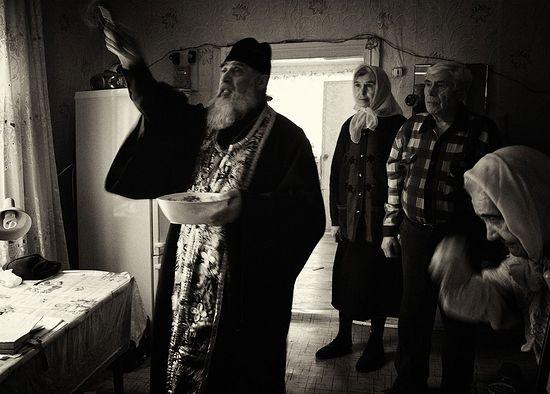
The Sanctifying Dimension, Part One
Read more: The Sanctifying Dimension, Part OneBy His Eminence Metropolitan Saba (Isper) Once, a woman said to me, with the tone of someone who had just discovered something incredible: “At your request, the parish priest came to our home and offered the Service of the Sanctification of Water. Truly, the evil spirit has left the house, Your Eminence, and we are…
-
The Orthodox Liturgy and Spirituality
Read more: The Orthodox Liturgy and SpiritualityBy His Eminence Metropolitan Saba (Isper) The Sacrament of the Eucharist is the Mystery of the Church. When we say “sacrament,” we mean an action that surpasses human reasoning, because it does not submit to the measures of the material world. It is an action in which God Himself participates. He sends His grace through…
-
Apologetic Theology Today
Read more: Apologetic Theology TodayBy His Eminence Metropolitan Saba (Isper) The discipline (science) of theology is divided into several fields. Instruction in the faith that focuses on Holy Scripture is called biblical theology; instruction concerned with doctrine is called dogmatic theology; and so forth. Instruction in the faith that confronts erroneous concepts or teachings, responds to heresies and distortions,…
-
Divine Education: The Old Testament
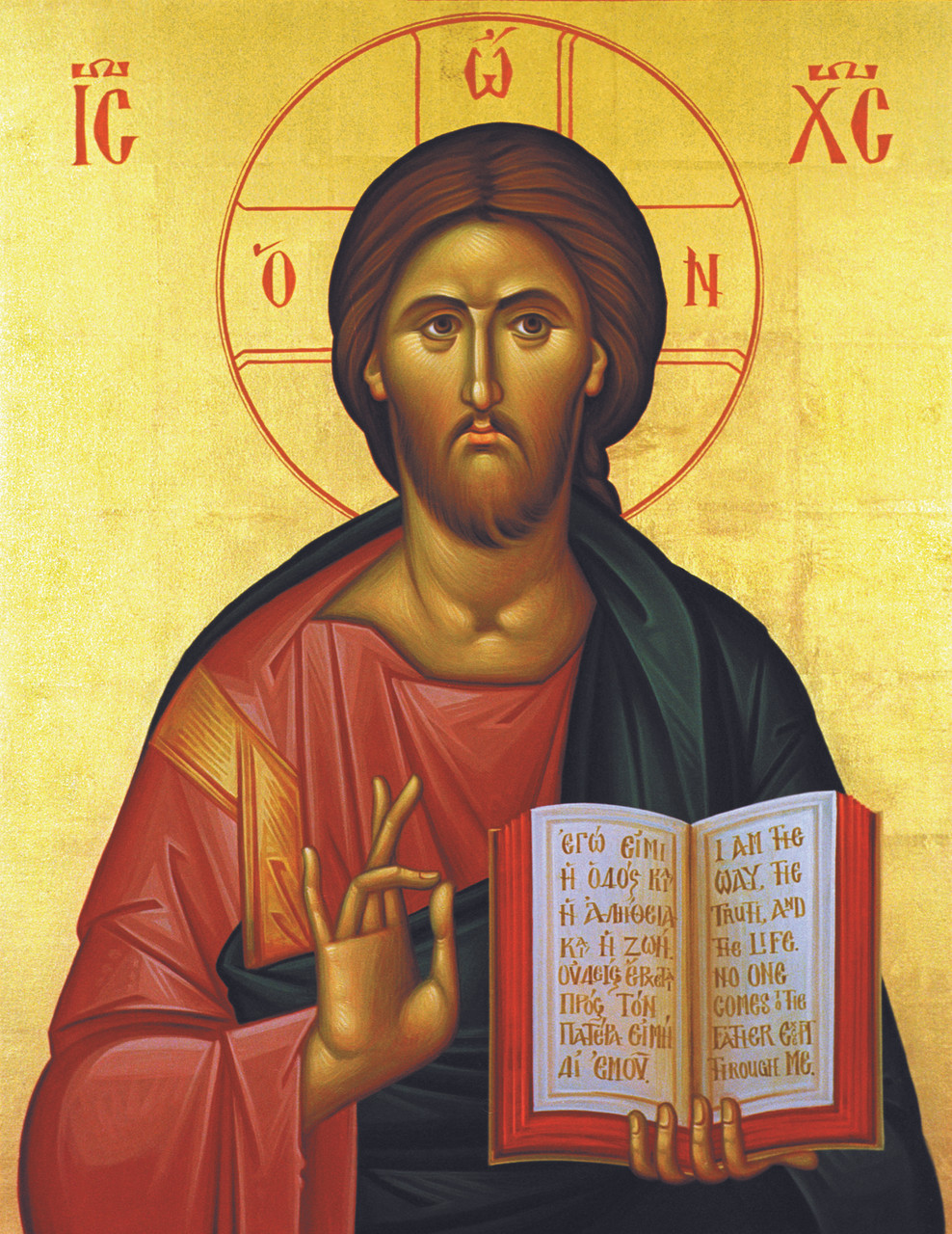
Read more: Divine Education: The Old TestamentBy His Eminence Metropolitan Saba (Isper) Divine revelation in Christianity is founded on God’s own initiative to reveal Himself. God revealed Himself fully in Jesus Christ: “Whoever has seen Me has seen the Father” (John 14:9); “No one comes to the Father except through Me” (John 14:6); “I and the Father are one” (John 10:30).…
-
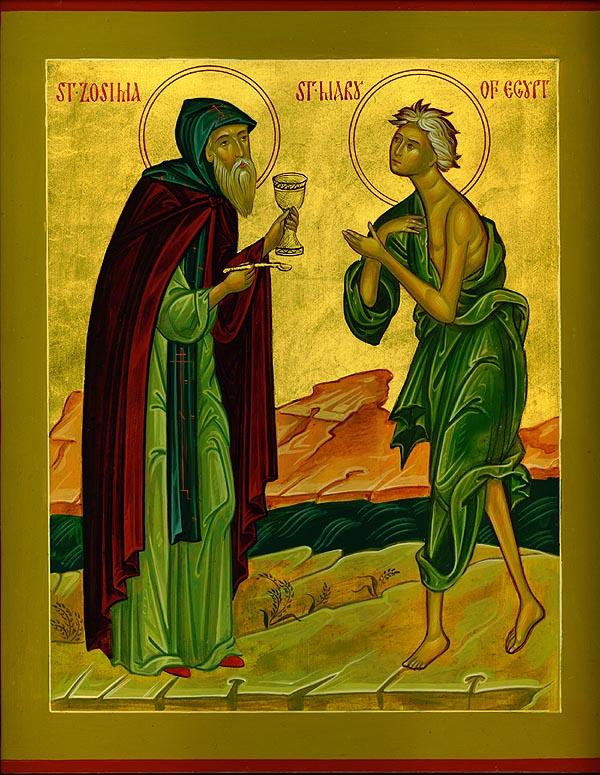
St Mary Of Egypt
Read more: St Mary Of EgyptSt. Mary of Egypt and St. Zosimas 16th cetnury Greece It is good to hide the secret of a king, but it is glorious to reveal and preach the works of God” (Tobit 12:7). So said the Archangel Raphael to Tobit when he performed the wonderful healing of his blindness. Actually, not to keep the…
-
On the Interpretation of the Holy Bible, Part One
Read more: On the Interpretation of the Holy Bible, Part OneBy His Eminence Metropolitan Saba (Isper) Christians initially (in the first century A.D.) knew the Holy Scriptures, consisting of the Old Testament and some widely circulated texts of the New Testament. It is worth remembering that printing was not available at that time. Consequently, the complete Bible, with both Testaments and all its books, was…
-
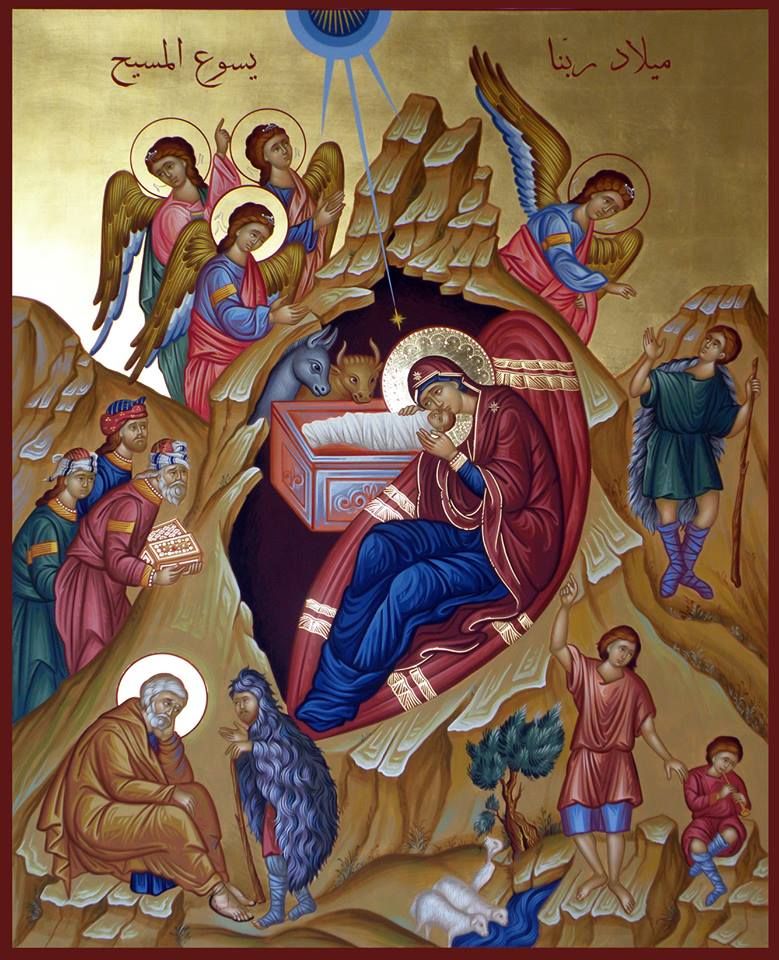
The Nativity and Almsgiving, Part Two
Read more: The Nativity and Almsgiving, Part TwoBy His Eminence Metropolitan Saba (Isper) This simple reflection on Christmas leads us to the Christian concept of giving. The first attitude required of Christians is to be open to the gift of God, because when they accept the divine gift and appreciate its importance and role in their life, they become worthy to practice…
-
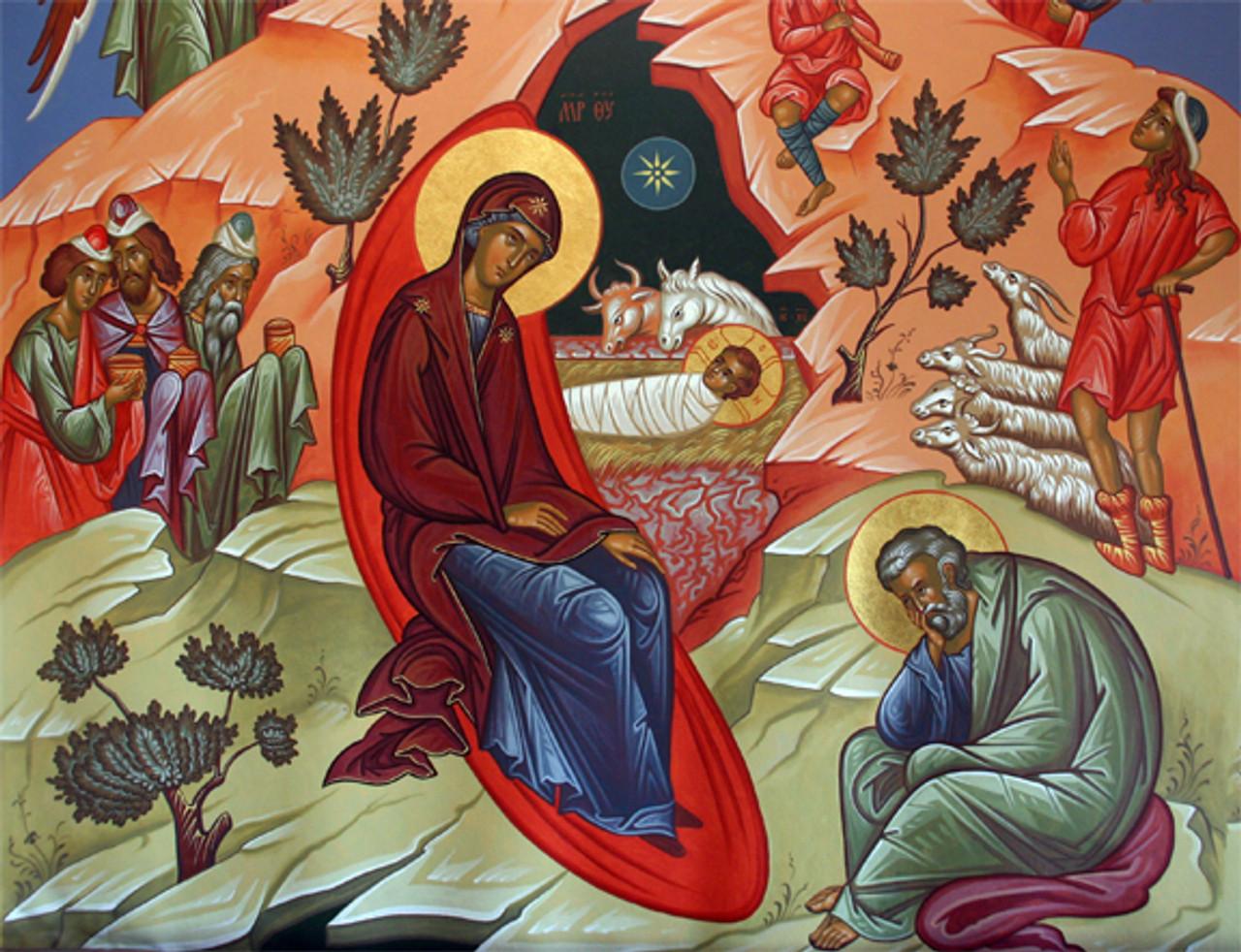
The Nativity and Almsgiving, Part One
Read more: The Nativity and Almsgiving, Part OneBy His Eminence Metropolitan Saba (Isper) The hymn of the angels at the Nativity of Christ is the key verse to the practical meaning of this feast. The angels of heaven sing: ‘Glory to God in the highest, and on earth peace, goodwill among men’ (Luke 2:14). God is always glorified in the highest, and…
-
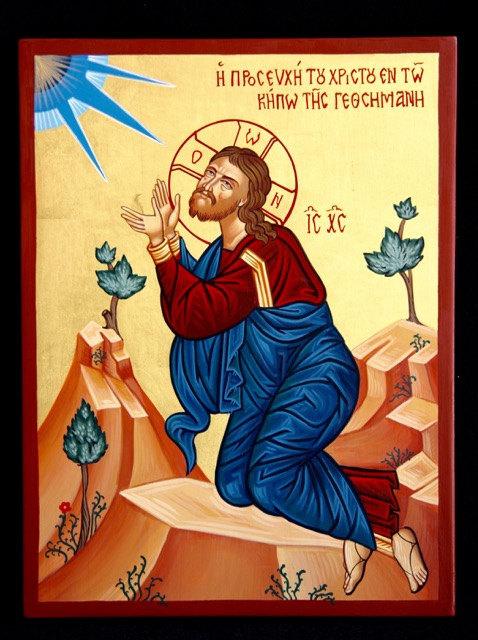
The Christian Approach to Crises, Part One
Read more: The Christian Approach to Crises, Part OneAn Interview with Metropolitan Saba (Isper) Question : The media always talks about crises. Is there a Christian definition or concept of crisis? Answer : The word “crisis” indicates simply that something is wrong and unnatural. Crises vary depending on the problems that cause them. The accumulation of problems is what constitutes a crisis. A…
-
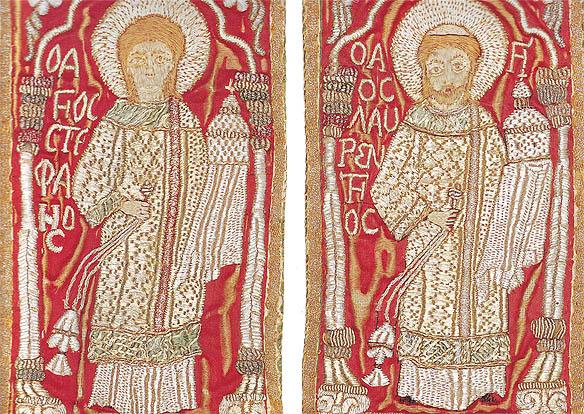
On the Ministry of the Diaconate, Part One
Read more: On the Ministry of the Diaconate, Part OneBy Metropolitan Saba (Isper) His Eminence presents a three-part series about revitalizing the diaconate in our Archdiocese. Deacons and Martyrs Steven and Lawrence – Mt Athos 17th century To adequately analyze the diaconal ministry, it is first necessary to look back at its history in the Church. How was it actually carried out in the…
-
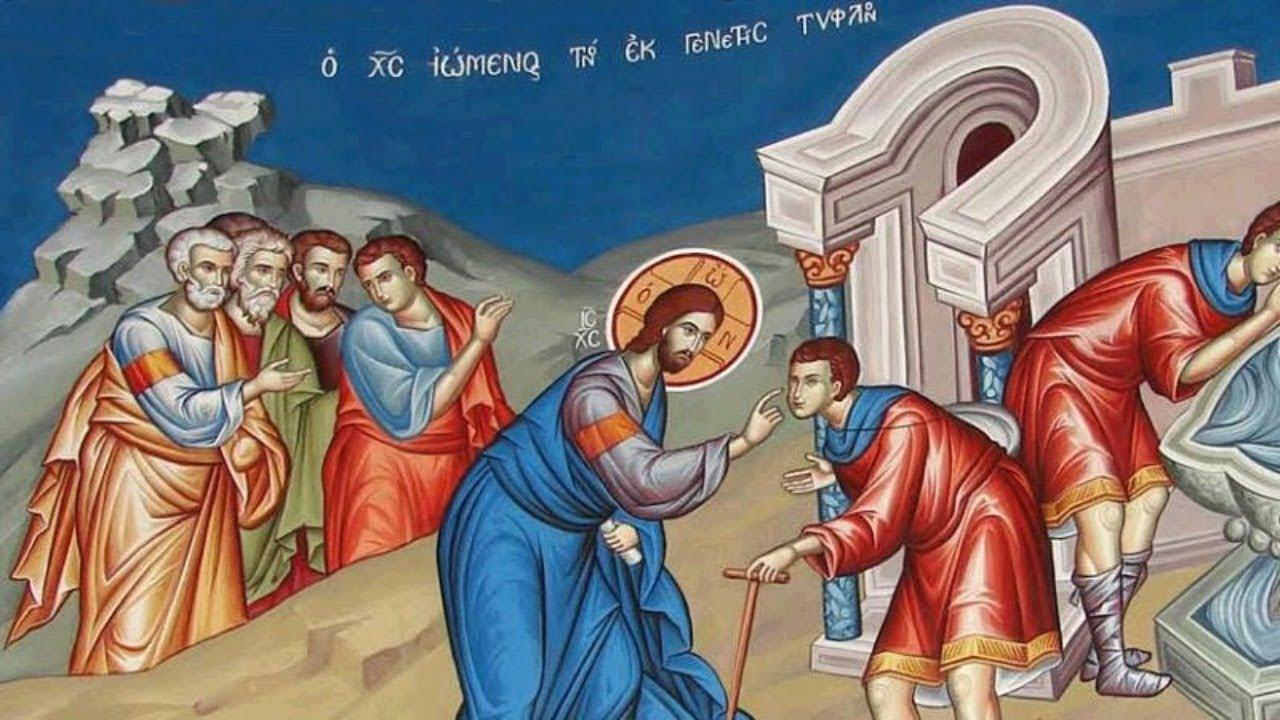
Who Sinned, This Man or His Parents?
Read more: Who Sinned, This Man or His Parents?By Metropolitan Saba (Isper) In the story of the man blind from his birth (John 9:1-38), we see a profound gesture. Following the Jewish religious concept, which directly linked physical illness to sin, the disciples asked the Master: “Teacher, who sinned, this man or his parents, that he was born blind?” Jesus replied: “Neither this…